Office of the Vice Dean for Research
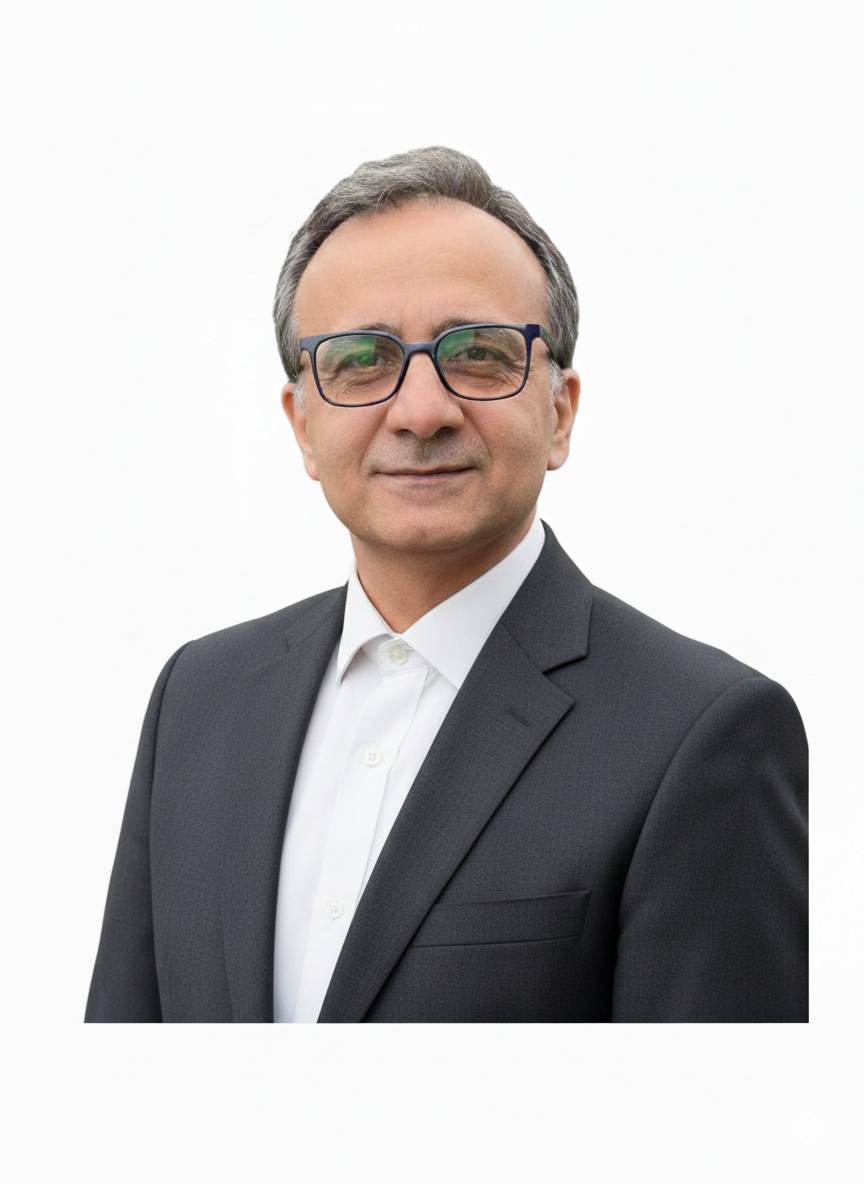
Dr. Seyed Ali Ziai PharmD, PhD in Pharmacology
Professor
Brief Overview of the Office of the Vice Dean for Research
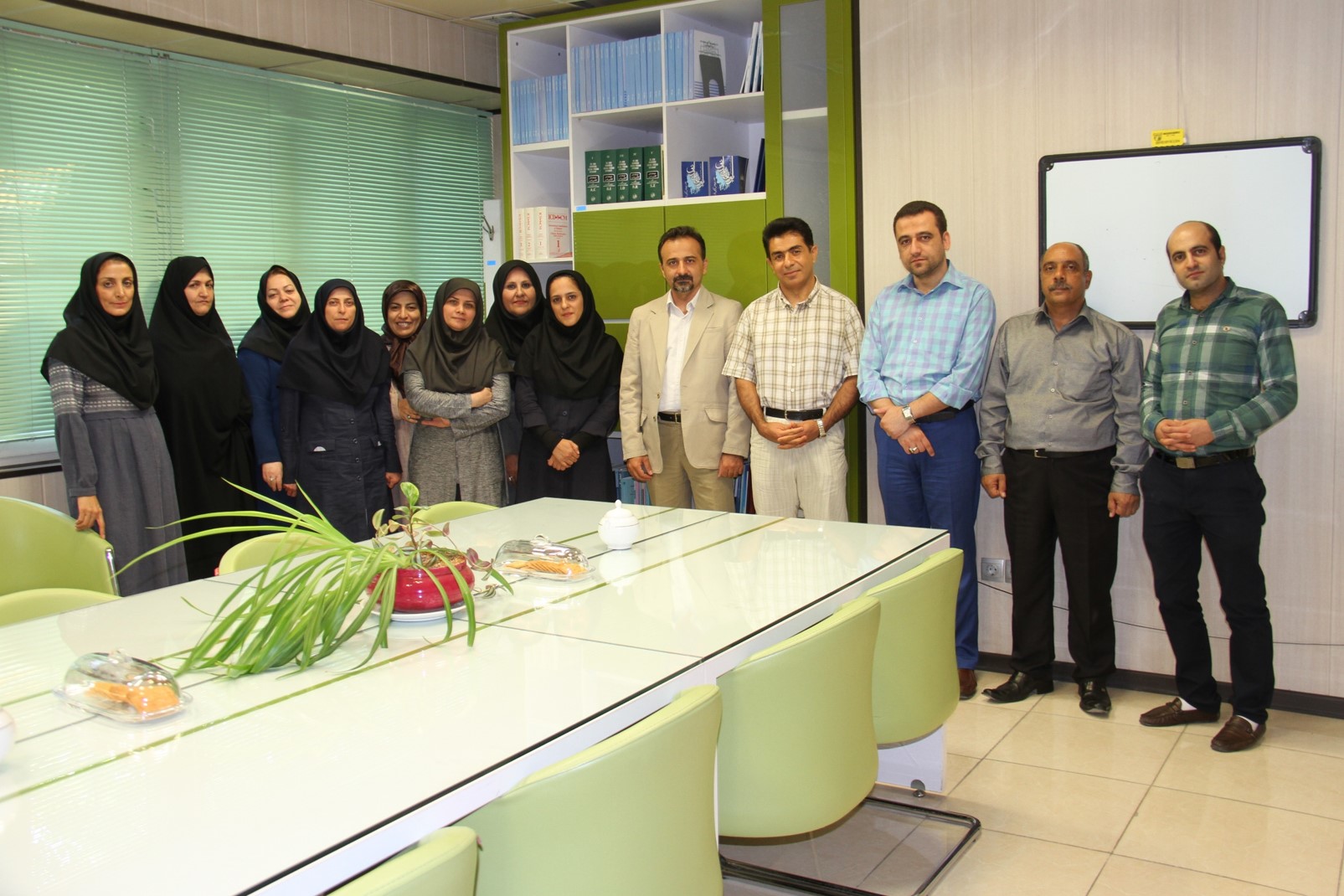
The Office of the Vice Dean for Research at the School of Medicine officially began its operations in 1989 [1368 SH]. Initially, the volume and scope of work were limited; thesis-related matters were confined to the basic administrative tasks of registration and submission, and research projects were quantitatively limited due to the circumstances of the time. Over the years, the volume of activities has experienced remarkable growth, and significant strides have also been made in terms of qualitative advancement.
The primary core function of the Office of the Vice Dean for Research involves evaluating and approving research proposals submitted by the faculty members of the School of Medicine, alongside managing the administrative processes of theses and dissertations across all academic levels—including medical residency [specialty], fellowship [sub-specialty], PhD, General Medicine (MD), and Master of Science (MSc). Additionally, this office provides advisory services for theses and research projects, and reviews research proposals within the School's Research Council and Institutional Ethics Committee.
The primary decision-making authorities in this office are the Vice Dean for Research and the Research Council of the School.
Since 2016 [1395 SH], the "Pajoohan" system [the university's integrated research management portal] has replaced the previous platform, and all stages of registration, thesis defense, research proposals, and research grants are processed through this system.
In 2015 [1394 SH], the Institutional Ethics Committee of the School of Medicine was established and commenced its operations. This committee is accredited by the National Committee for Ethics in Biomedical Research.
Strategic Plan
The strategic plan entails preparing the necessary ground for the fruition of research projects and facilitating collaboration between various domestic and international organizations. It involves implementing ministerial and university regulations, contributing to the formulation of bylaws, and maintaining accountability within its scope of duties to relevant organizations and individuals. Furthermore, the plan focuses on training research-focused faculty members, strengthening the research capacity of learners [students and trainees], and disseminating the outcomes of research projects. It also encompasses supervising the progress of research projects and reinforcing the educational, administrative, and research capacities of staff specialists. To achieve these goals, this office engages in strategic planning, policymaking, management, and the encouragement and motivation of faculty members, researchers, and scholars to conduct research activities.
Specific Objectives:
-
Establishing the School’s Research Council for supreme oversight.
-
Forming the Committee of Research Liaisons for Basic and Clinical Departments.
-
Establishing the Medical Students' Research Committee of the School of Medicine.
-
Establishing the Institutional Ethics Committee since 2015 [1394 SH] to review all research proposals and theses.
-
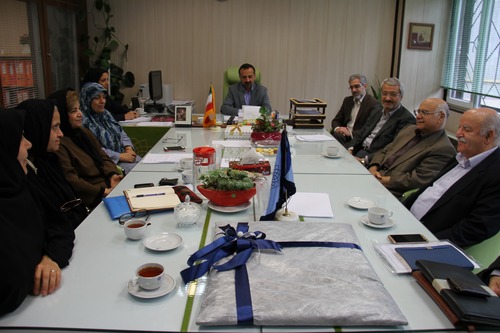
Holding regular meetings of the School’s Research Council to evaluate research projects in the presence of the principal investigators.
-
Reviewing and approving research projects submitted by the faculty members of the School of Medicine.
-
Registering theses and dissertations across various academic levels, including medical residency [specialty], fellowship [sub-specialty], PhD, General Medicine (MD), and Master of Science (MSc).
-
Supervising the defense sessions of medical residency [specialty] and fellowship [sub-specialty] theses (since 2006 [1385 SH]).
-
Conducting annual research methodology workshops tailored for residents in clinical and basic departments (up to twice a year).
-
Organizing research workshops aimed at empowering university faculty members.
-
Publishing the journal Pejouhesh dar Pezeshki [Research in Medicine].
-
Publishing the electronic journal Novelty in Biomedicine since 2013 [1392 SH].
-
Publishing the journal Student Research in Translational Medicine (SRTM).
-
Participating in organizing the annual Abureihan Research Festival (held during Research Week).
-
Developing a database and research performance profile [academic scorecard] for faculty members and learners.
-
Actively participating in the annual evaluation of research activities of the School's faculty members (approximately 1,000 faculty members).
-
Preparing and submitting requested reports concerning research projects and theses to the Dean of the School and the Vice President for Research and Technology of the University.
-
Collaborating in the launch and continuous development of the School's Research Vice-Deanship portal to disseminate major research news and facilitate the submission of thesis and research project forms since 2011 [1390 SH].
-
Making the necessary arrangements to provide material and moral [financial and academic/non-financial] incentives for researchers and research activities.
-
Securing internal and external research grants.
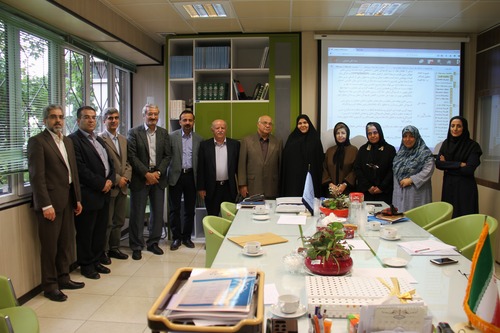
Terms of Reference & Statutory Duties of the Medical School Research Council
Mission Statement: The Research Council of the School of Medicine is the supreme governing body responsible for directing, evaluating, and policymaking of all scientific and medical research at the faculty level. The Council ensures that all academic and clinical research activities are tightly aligned with national healthcare priorities, university strategic plans, and global scientific advancements.
Core Duties and Responsibilities
-
1. Dissemination of Research Directives and Priorities: Translating and communicating macro-level university research priorities to academic departments and affiliated research centers, based on national and regional health-sector needs.
-
2. Evaluation and Approval of Research Proposals: Conducting comprehensive peer-reviews of research proposals submitted by faculty members, residents, and students, evaluating their scientific merit, methodological rigor, and budgetary feasibility prior to implementation clearance.
-
3. Progress Monitoring and Project Quality Assurance: Tracking the implementation milestones of approved projects through the systematic evaluation of interim and final scientific/financial reports submitted by investigators.
-
4. Ethical Screening and Liaison with the Bioethics Committee: Performing preliminary ethical screening of proposals—particularly clinical trials and animal-based studies—and coordinating with the University Institutional Review Board (IRB) / Biomedical Research Ethics Committee for formal ethical code clearance.
-
5. Research Output Evaluation and Academic Auditing: Assessing the quality of research outcomes (including indexed peer-reviewed journal articles, dissertations, books, and patents) for calculating the academic credits required for faculty promotions and tenure tracks.
-
6. Budget Allocation and Research Grant Management: Formulating criteria for the equitable distribution of research funds, capital infrastructure budgets, and intramural research grants among educational departments and core facilities.
-
7. Dissertation Governance and Academic Integrity: Establishing rigorous standards, validation criteria, and clinical significance metrics for thesis/dissertation topics to ensure scientific innovation, translational feasibility, and avoidance of research duplication.
-
8. Research Dispute Resolution and Obstacle Mitigation: Troubleshooting systemic barriers, managing intellectual property or conflict of interest disputes, and developing operational solutions to facilitate the workflow of researchers.